
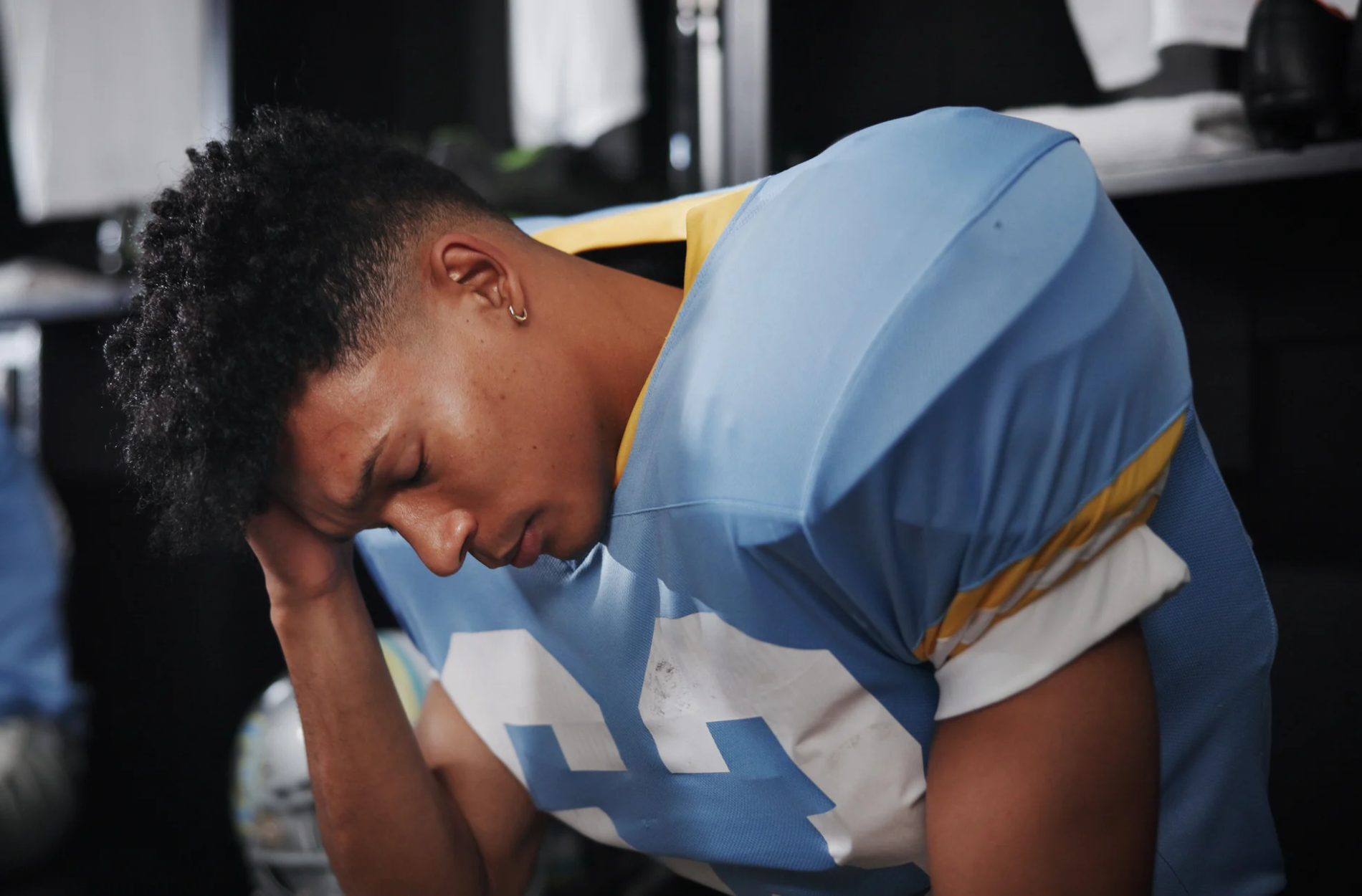
Fall sports bring busy schedules and plenty of excitement to Champaign-Urbana families. Football, soccer, cheerleading, and volleyball also create opportunities for collisions and falls. Knowing what to watch for—and when to get help—can protect your young athlete.
This guide follows CDC HEADS UP recommendations for recognizing concussion, supporting recovery, and returning to school and sports.
What Is a Concussion?
A concussion is a brain injury caused by a hit or jolt to the head or an impact to the body that rapidly moves the head and brain. It can affect thinking, balance, mood, and sleep. A child does not have to be knocked unconscious to have a concussion.
Concussion Signs and Symptoms to Watch For
Symptoms may emerge immediately or take hours or days to become noticeable.
Signs you may observe:
- Appearing dazed or confused
- Answering slowly or having trouble remembering
- Moving awkwardly or appearing unsteady
- Changes in behavior or mood
Symptoms your child may report:
- Headache, nausea, or dizziness
- Blurred vision or sensitivity to light and noise
- Feeling tired, foggy, or slowed down
- Difficulty concentrating
- Changes in sleep
Younger children may show changes in play, eating, or behavior instead of explaining how they feel. New symptoms after an impact warrant attention.
Danger Signs: When to Seek Emergency Care
Call 911 or go to the emergency department for:
- Seizures
- Repeated vomiting
- A worsening headache that does not go away
- Increasing confusion, agitation, or inability to recognize people or places
- Slurred speech, weakness, numbness, or worsening coordination
- One enlarged pupil or double vision
- Increasing drowsiness, inability to stay awake, or difficulty waking
Loss of consciousness after a head injury also warrants prompt emergency evaluation. These findings may indicate a more serious injury.
What to Do When You Suspect a Concussion
Remove Your Athlete From Play
Stop participation immediately. A child with a suspected concussion should not return to the game or practice that day, even if symptoms improve. Keep them out of sports until a healthcare provider gives appropriate guidance.
Arrange a Medical Evaluation
A healthcare provider evaluates symptoms, examines your child, and determines whether emergency care or further testing is needed. Share how the injury happened, any loss of consciousness or memory, and previous concussions.
Most children with concussion do not need CT or MRI. Imaging is used when there is concern for another injury, such as bleeding—not routinely to diagnose concussion. Ordinary X-rays do not diagnose concussion.
Urgent care may be appropriate for a stable child without emergency warning signs. The injury mechanism and examination also affect where your child should receive care.
Supporting Recovery at Home
During the first 24–48 hours, allow relative rest: reduce screen time and demanding activities while allowing gentle daily activity. Prolonged bed rest or staying in a dark room all day is discouraged.
Short walks may be appropriate even with mild symptoms. Cut back if activity worsens symptoms, and avoid activities with a risk of another head injury. Follow the provider’s individualized plan.
Maintain a regular sleep routine and help your child stay connected with family and friends. Arrange follow-up to monitor recovery.
Returning to School After a Concussion
Most children can return to school within 1–2 days, even if some symptoms remain. Waiting for every symptom to disappear before returning is usually unnecessary.
Work with the provider and school on temporary support, such as rest breaks, reduced assignments, extra time for tests, or a quieter workspace. Adjust these supports as recovery progresses. Ask about the CDC HEADS UP Letter to Schools to help communicate your child’s needs.
Returning to Sports: A Gradual Process
An athlete should begin a supervised return-to-sport progression only with healthcare provider approval. CDC outlines six stages:
- Regular activities: Resume everyday activities, such as school, and receive approval to begin the progression.
- Light aerobic exercise: Brief walking, light jogging, or stationary cycling; no weightlifting.
- Moderate activity: Increase exercise intensity, including moderate jogging or biking.
- Heavy noncontact activity: Add more strenuous exercise and noncontact sport-specific drills.
- Full-contact practice: Return to controlled practice when medically cleared.
- Competition: Resume games after successfully completing the earlier stages.
Each stage typically takes at least 24 hours. Advance only without new or returning symptoms. If symptoms recur, stop, contact the provider, and resume at the previous stage after rest and symptom resolution.
Return to school and early rehabilitation can overlap, but your child should resume all regular nonsports activities without concussion-related support before completing the sports progression. Feeling better alone is not clearance to compete.
Reducing Concussion Risk
Use properly fitted equipment, follow sport rules, and encourage safe technique. Helmets help protect against serious head injury and skull fractures, but cannot prevent every concussion.
Create a team culture where reporting symptoms is encouraged. Children should know that speaking up protects their health and that teammates recovering from concussion deserve support.
A preseason sports physical provides an opportunity to discuss previous concussions and health concerns. It does not replace evaluation after a new injury.
Head Injury Evaluation in Champaign, IL
FirstLine Urgent Care offers walk-in evaluation of appropriate non-emergency head injuries during clinic hours, seven days a week. Our team can assess symptoms, discuss recovery and follow-up, and determine when emergency or specialist care is needed.
If your child has emergency warning signs, call 911 or go directly to the emergency department.
Frequently Asked Questions
Should I take my child to urgent care or the ER for a head injury?
Choose urgent care for a suspected concussion without danger signs, such as a headache, dizziness, or feeling foggy after a hit. Go to the ER or call 911 for any danger sign, including loss of consciousness, repeated vomiting, seizures, slurred speech, or a worsening headache.
How long does recovery take?
Most children feel better within 2–4 weeks. Previous concussions can increase the chance of a longer recovery. Persistent symptoms beyond 2–4 weeks warrant reassessment and may require specialist care.
Can my child sleep after a concussion?
Yes. Allow normal sleep after evaluation and follow the provider’s instructions. Difficulty waking your child is an emergency warning sign.
Can my child use screens?
Limit screen time during the first 1–2 days, then increase it gradually as tolerated. Reduce use if it worsens symptoms.
Can my child return to play if the headache goes away?
No same-day return is allowed for a suspected concussion. Later return requires provider approval and successful completion of the gradual progression.
Is coach concussion education mandatory in Illinois?
Yes. Illinois law requires concussion training for coaches, and schools follow return-to-play and return-to-learn policies to protect student athletes.
Do I need an appointment at FirstLine Urgent Care?
No. Walk in any day of the week for head injury evaluations, sports physicals, and other non-emergency care.
Sources
CDC Pediatric Mild TBI Safety Guidelines