
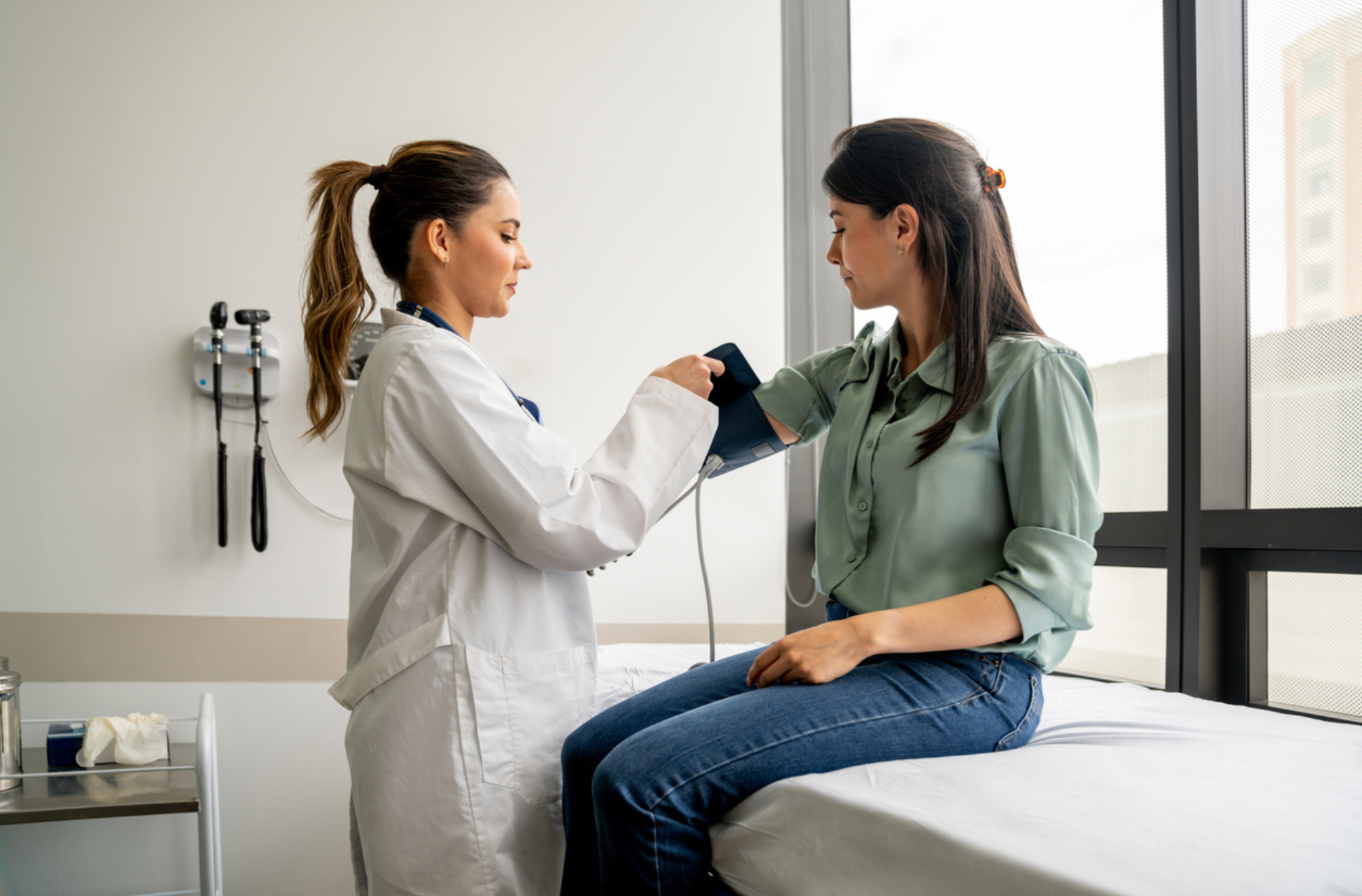
A physical consists of a health history review, a check of vital signs like blood pressure and heart rate, and a head-to-toe exam of your heart, lungs, eyes, ears, throat, joints, and skin. What does a sports physical consist of? It adds joint, mobility, and injury history checks, while a DOT physical adds vision and hearing screening.
A physical exam gives you a clear picture of your health. Many people schedule a physical for work, school, sports, or routine wellness care. Others visit because they want answers about symptoms or health concerns.
If you have never had a physical before, you might wonder what happens during the appointment. Understanding the process helps you feel more prepared and confident before your visit.
At FirstLine Urgent Care, physical exams help patients stay informed about their health while meeting requirements for school, employment, athletics, and other activities.
What Does A Physical Consist Of?
A physical consists of several steps designed to evaluate your overall health. The exact details depend on the type of physical you need, your age, your medical history, and any symptoms you report.
Most physical exams begin with a review of your health history. Your provider asks about current medications, past illnesses, previous surgeries, allergies, and family medical history. This information helps identify potential health risks and provides context for the rest of the exam.
After reviewing your history, the provider checks your vital signs. These measurements often include blood pressure, heart rate, respiratory rate, temperature, height, and weight. Vital signs offer important information about how your body functions and help identify changes that need further evaluation.
The provider then performs a head-to-toe examination. This process allows them to assess your overall physical condition and identify signs of illness, injury, or chronic disease.
Why Physical Exams Matter
Many health conditions develop slowly and show few symptoms in the early stages. High blood pressure, diabetes, and certain heart conditions often progress without obvious warning signs.
A physical exam creates an opportunity to identify concerns before they become larger health problems. Early detection often leads to faster treatment and better outcomes.
Physicals also establish a baseline for your health. Future exams allow providers to compare results and monitor changes over time.
For students, athletes, and employees, physical exams help confirm readiness for participation in activities or job responsibilities. Many organizations require documentation showing that an individual meets health standards for safe participation.
What Providers Check During A Physical
The physical examination covers several body systems. Your provider observes, listens, and performs basic assessments to evaluate your health.
Heart And Circulatory Health
Your provider listens to your heart using a stethoscope. They check for abnormal rhythms, unusual sounds, and signs of cardiovascular concerns.
Blood pressure measurements help assess circulation and identify potential risk factors for heart disease and stroke.
Lung Function And Breathing
During the exam, the provider listens to your lungs while you breathe. They look for signs of infection, airway obstruction, inflammation, or other respiratory issues.
This step becomes especially important if you have a history of asthma, allergies, smoking, or recent respiratory symptoms.
Head, Eyes, Ears, Nose, And Throat
Your provider examines your eyes, ears, nose, and throat for signs of infection, inflammation, or abnormalities.
They might check your vision, evaluate your pupils, inspect your ear canals, and look for swelling or irritation in your throat.
Muscles, Joints, And Mobility
Many physicals include an assessment of movement, strength, flexibility, and balance.
Sports physicals often place additional focus on joint stability, range of motion, posture, and previous injuries. FirstLine Urgent Care offers sports physicals for students and athletes who need clearance before participation.
Skin Evaluation
The provider examines your skin for rashes, infections, unusual growths, bruising, or other visible concerns.
Changes in skin appearance sometimes provide early clues about underlying health conditions.
What Happens During Different Types Of Physicals
Not every physical serves the same purpose. The examination often changes based on the reason for the visit.
Annual Wellness Physicals
Annual wellness exams focus on preventive care and overall health monitoring. These visits review lifestyle habits, medical history, vital signs, and general physical health.
Providers often discuss nutrition, exercise, sleep habits, and risk factors for chronic disease.
Sports Physicals
Sports physicals help determine whether an athlete can safely participate in organized sports.
The provider evaluates strength, flexibility, cardiovascular health, and injury history. They also identify conditions that could affect athletic performance or increase injury risk.
Employment Physicals
Many employers require physical exams before hiring or for specific job roles.
These exams often assess physical capabilities related to workplace responsibilities. Some positions also require additional testing based on industry standards.
DOT Physicals
Commercial drivers must meet federal health requirements to maintain certification.
DOT physicals include vision screening, hearing evaluation, blood pressure assessment, and a review of medical history. FirstLine Urgent Care offers DOT physicals for drivers who need certification or renewal.
Should You Prepare Before A Physical?
A little preparation helps your appointment run smoothly.
Bring a list of medications, including prescription drugs, over-the-counter products, and supplements. You should also bring any required forms if the physical relates to school, sports, or employment.
If you have specific symptoms or concerns, write them down beforehand. Many patients forget important details during appointments. A short list helps ensure you address everything during your visit.
Wear comfortable clothing that allows easy movement if flexibility or mobility assessments are part of the exam.
Common Questions Patients Ask About Physicals
Many patients feel uncertain before a physical because they do not know what to expect.
Most physical exams are straightforward and noninvasive. The appointment focuses on gathering information, assessing health, and identifying concerns that need attention.
The length of the visit depends on the type of physical and whether additional testing becomes necessary. Many routine physicals take less than an hour.
If your provider finds an issue that needs further evaluation, they explain the next steps and discuss treatment options or referrals when appropriate.
When To Schedule A Physical
A physical exam makes sense whenever you need documentation for school, sports, work, or commercial driving requirements.
Routine wellness physicals also help you stay proactive about your health. Even if you feel healthy, regular exams provide valuable information and help identify problems early.
People often postpone care because they feel busy or assume nothing is wrong. A simple physical appointment offers reassurance and valuable insight into your overall health.
If you need a physical exam, sports physical, DOT physical, urgent care treatment, pediatric urgent care services, or walk-in medical care, visit FirstLine Urgent Care. Our experienced team provides convenient same-day care with a focus on fast evaluations and personalized treatment. Schedule your visit today at https://firstlineurgentcare.com/ and take the next step toward protecting your health.